
The operating layer for
GCC towers.
TowerDesk is the operating intelligence system for real estate — capturing every event as verified signal, connecting it into a building-scale graph, and executing the next right action with proof.
- 643
- Units in pipeline
- AED 10
- Per unit / month
- Live
- Deployed · Dubai
TowerDesk is the operating system for residential towers — it catches problems early and makes sure they actually get fixed.
Today, when something breaks in an apartment — a leaking pipe, a broken AC, a lift out of service — the complaint usually starts on WhatsApp, gets lost between the resident, the building manager and the vendor, and the same problem often comes back a week later. TowerDesk fixes that end-to-end: our Signal layer quietly listens for early warnings — a chiller running hot, a rise in complaints on the same floor, a vendor missing SLAs — and flags them before residents even report them. When residents do raise something, it lands in one place, gets routed to the right person, and the fix is confirmed with photo evidence before the ticket can close.
We build TowerDesk for the people who own and run residential towers — property developers, building owners, and the management companies looking after them across the UAE. In this pitch you'll see the problem in plain terms, how TowerDesk solves it, the buildings already using us, and the AED 2M we are raising to grow.
Buildings don't lack tickets — they lack accountability.
Every incident closes without answering the 7 questions that decide whether the asset is actually protected. That gap — not the ticket volume — is what erodes trust and value.
Why did it happen in the first place?
Unknown at close. No root cause captured.
Graph traces cause across events, vendors, and assets.
Root cause, not guesswork.
What & who is affected?
Scattered across WhatsApp threads and calls.
Signal captures units, residents, asset, and revenue impact.
Full blast radius, at capture.
Who is responsible?
Owner, FM, vendor, resident — blurred.
Attributed at capture. Verified and timestamped.
Ownership by design.
Who is fixing it?
Assigned by memory, chased by phone.
OS dispatches with SLA and full evidence chain.
One dispatch. One clock.
What will it take to fix?
Scope, cost, and time — guessed per incident.
OS surfaces scope + cost + time from history.
Priced from real data.
Will it happen again?
No memory. Every incident starts from zero.
Graph scores repeat-issue probability per stack.
Prevention, not repetition.
Proof & quality of work?
Photos in a chat. No verification, no sign-off.
OS closes with evidence and resident sign-off.
Signed. Sealed. Auditable.
One incident. Seven answered questions.
Real walkthrough — "AC not cooling, Tower B, Apt 1204." Every accountability question mapped to the exact Signal, Graph, or OS evidence that answers it.
"AC not cooling — Tower B, Apt 1204." Logged via resident app · 14:02 · 3 Jul 2026.
Same loop for every incident. Signal → Graph → OS — measured, attributed, verified.
Signal. Graph. OS.
A three-layer operating intelligence system for buildings — capturing reality, connecting patterns, executing action.
Captures every operational event inside the building — turning fragmented input into verified, structured data.
Connects events across units, assets, vendors, residents, owners and outcomes to reveal patterns.
Turns intelligence into action — workflows, escalation, approvals, notifications and verification.
TowerDesk becomes the trusted operational memory of the building.
Three buyers. One platform.
GCC residential and mixed-use towers, starting UAE. Each buyer pays for a different slice of the same operating layer.
Ship every new tower live on TowerDesk from day one — hand-off becomes a differentiator, not a headache.
Transparent fees, live owner reporting, RERA / Mollak-aligned — the OA finally sees what they pay for.
Route work, prove SLAs, and monetise collections — one platform across their entire tower portfolio.
TowerDesk helps premium buildings operate at the standard they were sold for.
The intelligence and operating layer for GCC residential real estate — free to enter, hard to leave.
Free entry layer. Captures complaints, sentiment, vendor delays, response gaps.
Connects building data into repeat issues, vendor scores, risk zones.
Workflows, approvals, resident app, dashboards, reports, control.
“AC not cooling — Tower B, Apt 1204.” Captured via app in 12 seconds.
7th AC complaint on B-stack this month. Vendor Cool-Air response time 3.2× worse than peers.
Owner dashboard: “B-stack chiller risk · vendor SLA breach · resident CSAT –18%.”
Auto-assign FM lead, escalate vendor, notify resident, log inspection. Closed in 4h vs 3-day avg.
Five reasons TowerDesk wins the building.
Free Signal entry
Others ask buildings to pay first. We start free — lower friction, faster market entry, real data from day one.
Post-handover gap
Developers sell premium. Operations degrade the brand. TowerDesk owns the space between premium sales and daily reality.
Intelligence, not tickets
Not another dashboard. We answer what repeats, who underperforms, where reputation is quietly bleeding.
Signal + Graph + OS
Three layers, one system. The brain and control layer of the building — not just a resident app.
Serves who pays
Developers, owners, asset managers, FM. We protect building value, not just log complaints.
A printable one-pager. Perfect for forwarding to a partner.
TowerDesk is building the intelligence layer for GCC residential real estate. Free Signal removes entry friction, exposes hidden service gaps with the building's own data, then converts qualified buildings into paid TowerDesk OS customers.
Built for daily building operations.
Five surfaces on one operating intelligence layer — every workflow feeds the same building memory.
Resident Ops
Requests, complaints, move-in / move-out, communication, satisfaction visibility.
Management Ops
Task tracking, approvals, escalations, staff workflows, SLA control, reporting.
Vendor Ops
Assignment, evidence, technician notes, performance history, accountability.
Asset Intelligence
Maintenance history, recurring failures, inspection records, risk patterns.
Owner / Developer
Portfolio performance, building health, operational proof, reputation risk.
Protecting asset value — not selling software.
Owners and developers buy the ten things that determine the real value of their building.
Pipeline units. Built product. Deployment path live.
The first contract is not the destination — it is the first node in the TowerDesk intelligence network.
Commercial validation · Dubai
Simple, scalable revenue logic
Platform built and ready to scale
First operational dataset forming
PropTech's operating-intelligence decade.
Global PropTech is expanding from listings and transactions into the operating layer of real estate.
Global PropTech · USD B
The fastest-moving PropTech market on earth.
Vision 2030, hyper-urbanisation, tokenised real estate and smart-city mandates make the UAE our ideal launch platform.
Our path to revenue in Dubai & Abu Dhabi.
TAM → SAM → SOM, sized on residential units at AED 10 / unit / month with realistic capture rates.
Unit-economics build-up
The category has legacy tools. It has no intelligence layer.
Existing players ticket, chat or bill. None turn building events into operating intelligence.
| Ticketing apps | Resident portals | Enterprise CAFM | TowerDesk | |
|---|---|---|---|---|
| Multi-channel signal capture | Partial | Partial | Manual | Verified |
| Graph across units / vendors | No | No | Limited | Yes |
| OS-level actioning & verify | No | No | Workflow only | Yes |
| Owner-grade value proof | No | No | Reports | Native |
| Time to deploy | Weeks | Weeks | 6–12 mo | Days |
Verified signals + building-scale graph + closed-loop OS — compounding with every event.
Simple unit-based SaaS economics.
Priced per unit, per month. Revenue scales linearly with every unit connected to the intelligence layer.
No per-seat · No per-module complexity
Revenue at scale · AED
| Units | MRR | ARR |
|---|---|---|
| 643 (signed) | AED 6,430 | AED 77,160 |
| 10,000 | AED 100,000 | AED 1.20M |
| 25,000 | AED 250,000 | AED 3.00M |
| 50,000 | AED 500,000 | AED 6.00M |
| 100,000 | AED 1,000,000 | AED 12.0M |
| 250,000 | AED 2,500,000 | AED 30.0M |
From signed pilot to regional intelligence layer.
Base-case projection driven by unit acquisition, gross margin and operating spend post-raise.
| Y1 · 2026 | Y2 · 2027 | Y3 · 2028 | |
|---|---|---|---|
| Units live | 10,000 | 50,000 | 250,000 |
| ARR | 1.2M | 6.0M | 30.0M |
| Gross margin | 75% | 80% | 80% |
| Buildings / towers | 20 | 100 | 500+ |
| Gross profit | 0.9M | 4.8M | 24.0M |
Free intelligence in. Paid operating system out.
Signal-Led GTM — enter buildings free, prove hidden operational gaps with their own data, then convert to paid TowerDesk OS.
TowerDesk Signal
Deployed free inside buildings. Zero switching cost, zero commitment. Collects complaints, sentiment, vendor delays, response gaps.
30–60 Day Signal Report
Signal surfaces the building's real operational gaps — repeated issues, weak vendors, slow responses. The report becomes the sales weapon.
Upgrade to TowerDesk OS
Once gaps are visible, buildings convert to the full operating system: resident app, dashboards, workflows, Graph intelligence.
“Signal shows the problem. TowerDesk OS fixes it.”
Removes every sales objection.
One free door in. Four paid tiers up.
TowerDesk enters the GCC with 643 units in the pipeline, 5 LOIs in hand, and active discussions with developers and building management. Signal is the free adoption layer that captures operational intelligence; TowerDesk OS is the paid operating system it upgrades into.
We only need ~2,925 buildings to build a category leader.
The GCC has hundreds of thousands of residential buildings. Capturing under 3,000 of them — concentrated in Dubai and Abu Dhabi first — unlocks AED 35.1M ARR.
Acquire ~731 buildings/year (~61/month) for 4 years to reach it.
Steady acquisition. Compounding ARR.
Linear building acquisition over four years — every new tower is one more year of recurring revenue.
| Year | Buildings | Units | MRR (AED) | ARR (AED) |
|---|---|---|---|---|
| Year 1 | 731 | 73,100 | 731,000 | 8.77M |
| Year 2 | 1,462 | 146,200 | 1,462,000 | 17.54M |
| Year 3 | 2,194 | 219,400 | 2,194,000 | 26.33M |
| Year 4 | 2,925 | 292,500 | 2,925,000 | 35.10M |
Your AED 2M could return AED 21M – 42M by Year 4.
Post-money valuation AED 13.3M today. At Year 4 ARR of AED 35.1M, standard SaaS multiples (4×–8×) produce the exit scenarios below.
Projections assume execution of the 4-year plan, no additional dilution, and stated SaaS ARR multiples. Actual outcomes may vary.
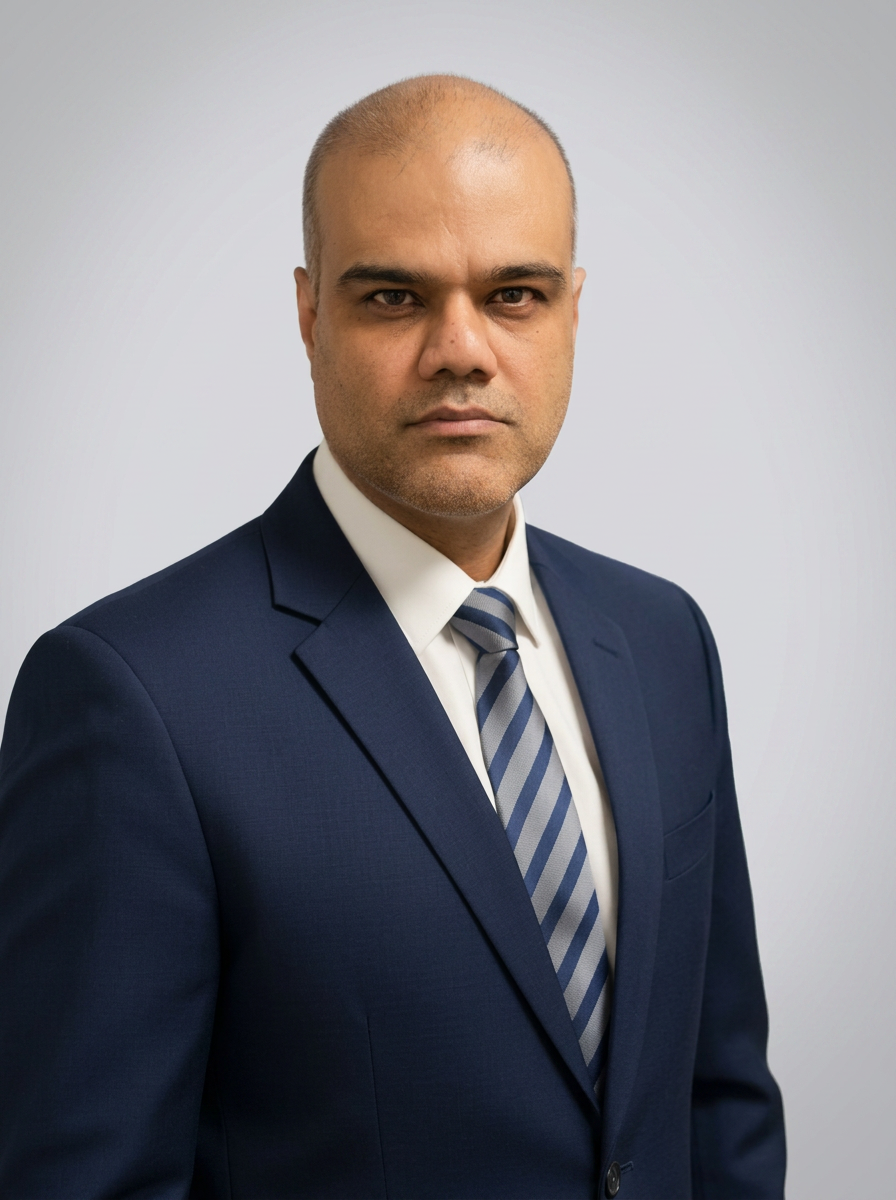
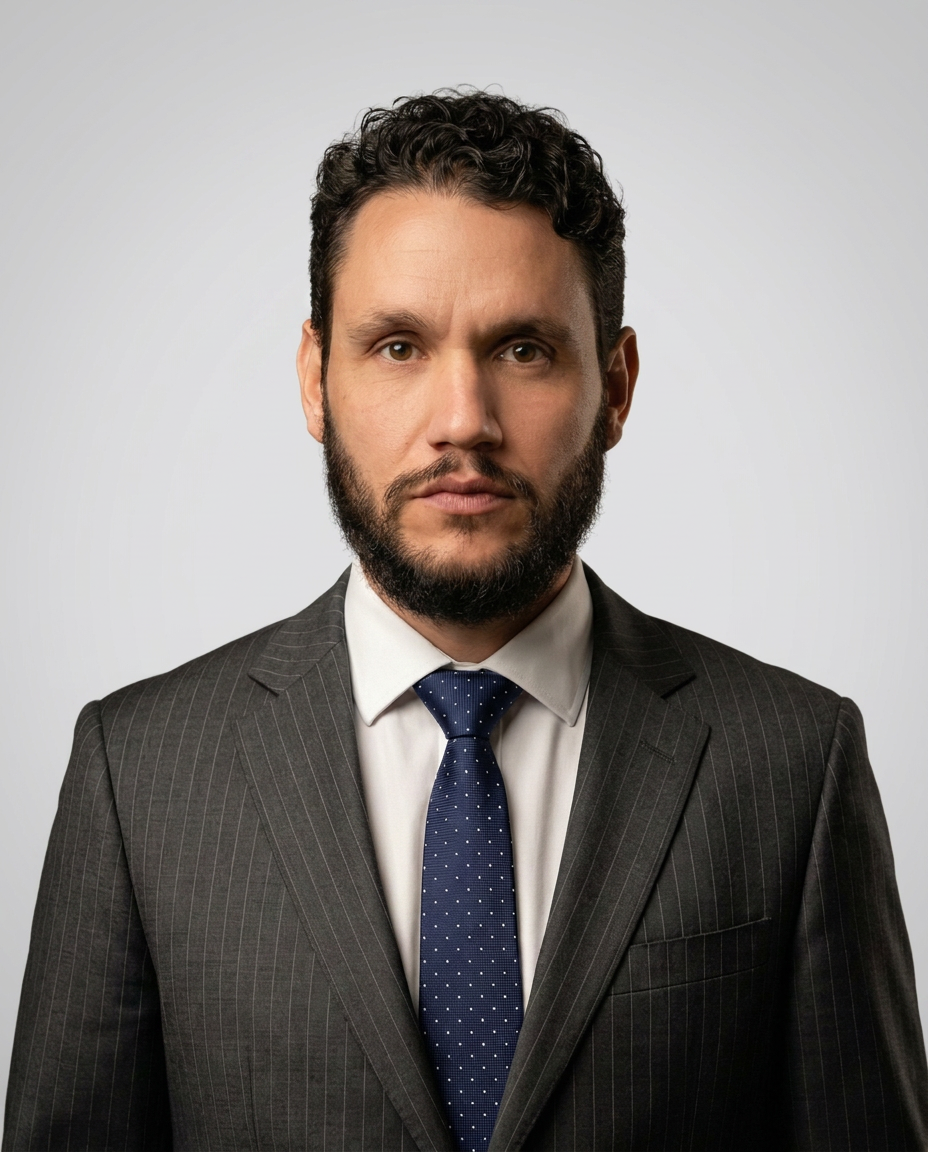
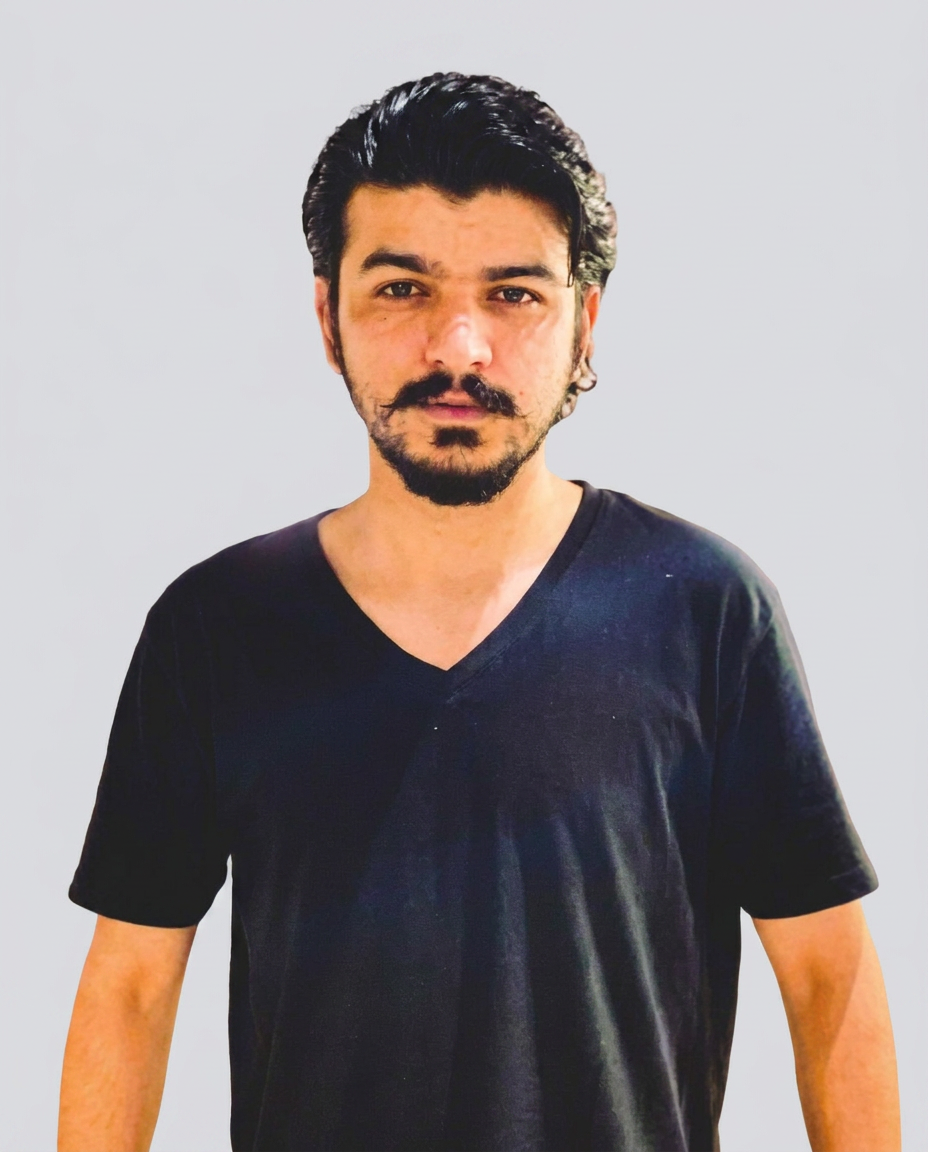
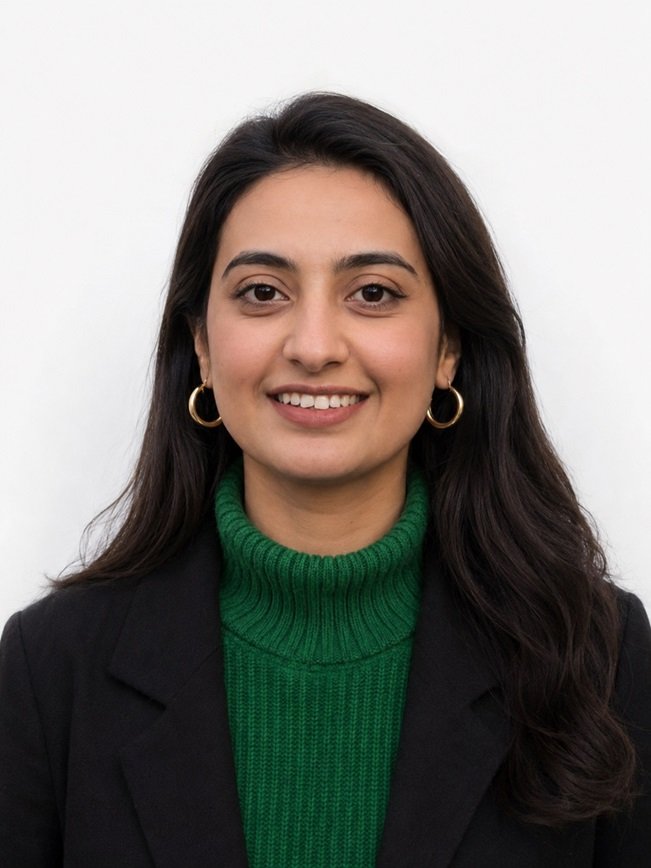
Operators, engineers, and designers building the intelligence layer.
Fourteen specialists across product, AI, engineering, design, sales, and marketing — shipping TowerDesk to production.

Mughees Ahmad
Giving every building a voice — so it can tell us what to fix,
before anyone has to ask.
Founder & CEO of TowerDesk — an AI-native PropTech platform turning residential buildings into intelligent, self-aware operations that flag issues, route work, and keep every stakeholder in sync.
9+ years across fintech, real estate and hospitality — engineering complex operational workflows into products people actually adopt on the ground.









The questions investors actually ask.
Short, direct answers to the objections that come up in every diligence conversation.
No. Most apps log tickets. TowerDesk turns every event into building intelligence — vendor scores, repeat-issue maps, sentiment trends — that no ticketing tool produces.
Dashboards show numbers. TowerDesk decides, assigns, escalates and closes. Signal detects, Graph understands, OS acts — one system, not three tools.
Zero-friction entry beats a paid pilot. Signal gets us inside the building, the building's own data becomes the sales weapon, and paid TowerDesk OS becomes the obvious next step.
Every deployed building feeds the Graph — vendor rankings, asset risk, sentiment history. Switching costs compound daily. The moat is the dataset no competitor can backfill.
The people who own the asset: developers, owners, building management, asset managers. We protect building value; residents just get a better experience.
They'd have to cannibalize their paid model, rebuild for post-handover data, and start their Graph from zero. We're already 643 units in with 5 LOIs.
Every incident closes with four verification artifacts — no photo-in-a-WhatsApp, no verbal sign-off:
Before / after evidence. Timestamped photos + technician notes uploaded at close, attached to the incident, the unit, and the vendor record.
Resident sign-off. Resident confirms the fix in-app. If they reject, the ticket reopens automatically with the rejection reason logged.
Vendor score update. SLA adherence, first-time-fix rate, and CSAT are written back to the vendor's Graph profile — visible on every future dispatch.
Audit trail. Every state change, actor, and timestamp is immutable. Owners can replay any incident end-to-end.
Result: proof is the default state at close, not an afterthought.
The Graph turns repeat incidents into preventive action across four steps:
Pattern detected. Graph flags the 7th AC complaint on B-stack this month — 3.2× the building baseline.
Recurrence risk scored. Repeat-issue probability computed from asset, vendor SLA, and seasonal load. Surfaced on the owner dashboard.
Preventive action triggered. OS auto-schedules a chiller inspection, notifies affected units, and opens a preventive work order — before the next complaint arrives.
Vendor accountability updated. If the same vendor drives the pattern, their dispatch priority drops and the owner is alerted at the next contract review.
Prevention is a system output — not a manager remembering to check.
Every role has an explicit contract with the system:
Resident. Reports the issue. Confirms or rejects the fix at close.
Building Manager / FM. Owns resolution. Assigns vendor, tracks SLA, signs off on cost.
Vendor / Technician. Executes the fix. Uploads evidence. Scored on every job.
Owner / Asset Manager. Sees the full accountability chain per incident and per vendor.
SLA ladder: T+0 Signal captures & attributes · T+5m OS dispatches with SLA clock · T+SLA auto-escalates to FM lead · T+2×SLA escalates to owner dashboard with vendor-score impact and alternate vendor suggestion · Close requires evidence + resident sign-off, written back to the vendor's Graph profile.
Fueling the operating system for GCC real estate.
We are raising a pre-seed angel round to convert our 643-unit live deployment into repeatable commercial motion across Dubai and Abu Dhabi, and to harden the intelligence layers that make TowerDesk category-defining.